Bugün öğrendim ki: 1938'de sansüre karşı bir Kütüphane Haklar Bildirgesi hazırlayan Forrest Spaulding'den Mein Kampf'ın bir kütüphane kopy
en.wikipedia.org
Forrest Spaulding --- [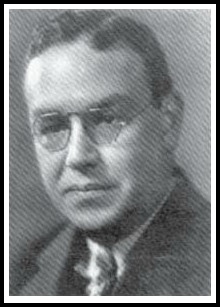](/wiki/File:Forrest_spaulding_from_Nashua_Telegraph.jpg) Forrest Spaulding born| Forrest Brisbin Spaulding (1892-05-04)May 4, 1892 Died| December 9, 1965(1965-12-09) (aged 73) Occupation| [Librarian](/wiki/Librarian "Librarian") Spouse(s)| Genevieve Anderson Pierson[2] Children| John Pierson Spaulding, Jean Spaulding Wilder[2] Parent(s)| Hollon Curtis Spaulding and Lucile Brisbin[2] **Forrest Brisbin Spaulding** (May 4, 1892 – December 9, 1965) was an American librarian. He was named in the _[American Libraries](/wiki/American_Libraries "American Libraries")_ article, "100 of the most important leaders we had in the 20th century" for his contribution to intellectual freedom in writing the [Library Bill of Rights](/wiki/Library_Bill_of_Rights "Library Bill of Rights").[3] He was a [humanitarian](/wiki/Humanitarianism "Humanitarianism") who is remembered not only for his contributions to librarianship, but also for the positive influence he had on the communities in which he lived and worked. In a commentary on the play _The Not So Quiet Librarian_ , by Cynthia Mercati, Humanities Iowa writes that "Spaulding's words and his life touched everyone who loved not just books but freedom of expression."[4] While Forrest Spaulding is remembered for his contributions to librarianship, he began his career as a reporter. The State Library of Iowa biography mentions that while he spent some time as director of Peru's libraries and museums in 1920, "he was also a correspondent for the [Associated Press](/wiki/Associated_Press "Associated Press"). He is noted as saying that his 'efforts to report the news from that country gave him a bitter object lesson in censorship.'"[5]
Yorumlar
Yorum için giriş yap veya kaydol.
Henüz yorum yok — ilk sen yaz.